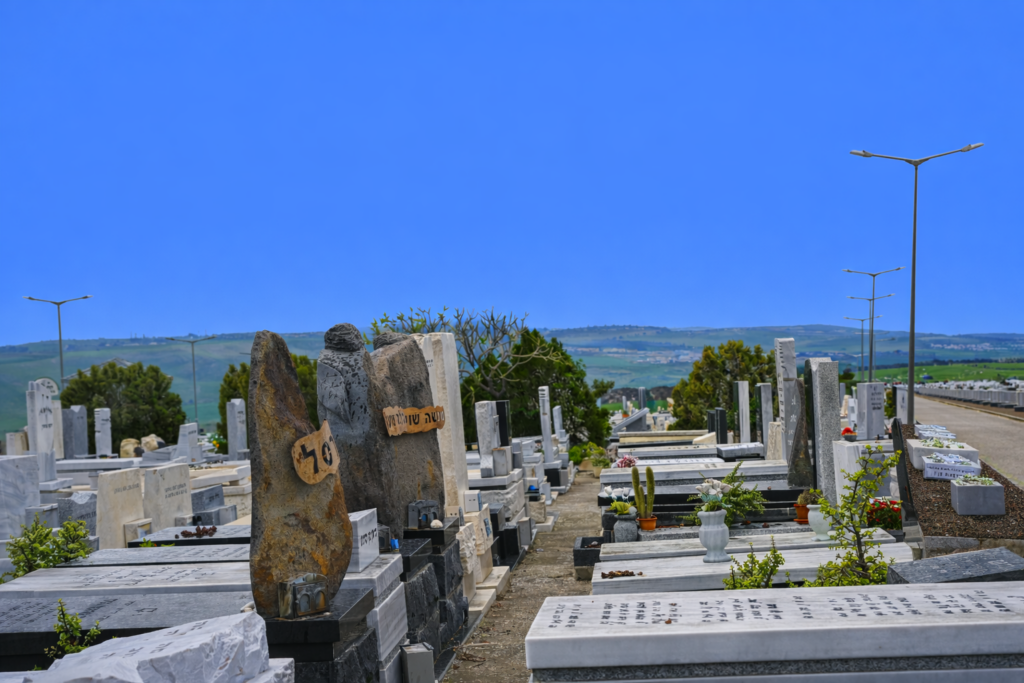
A Timeless Connection. An Eternal Rest in the Land of Our Heritage.
Why Burial in Israel Is So Important for Jews
For thousands of years, the Land of Israel has held profound spiritual meaning for the Jewish people. From the days of the Patriarchs to modern times, being laid to rest in Israel is considered a sacred privilege and a final return home.
1. A Spiritual Merit Rooted in Tradition
Jewish sources speak of the special spiritual significance of burial in the Holy Land. Many believe that resting in Israel carries unique merit and closeness to holiness.
2. Jerusalem – Eternal Connection
Burial in or near Jerusalem, including areas such as the historic slopes of the Mount of Olives and modern cemeteries like Har HaMenuchot, symbolizes an eternal bond with Jewish history and destiny.
3. Generational Legacy
For families living abroad, burial in Israel ensures that future generations have a meaningful place of remembrance in the Jewish homeland.
4. Unity with the Jewish People
Resting in Israel reflects belonging — to history, to faith, and to the collective story of the Jewish people.
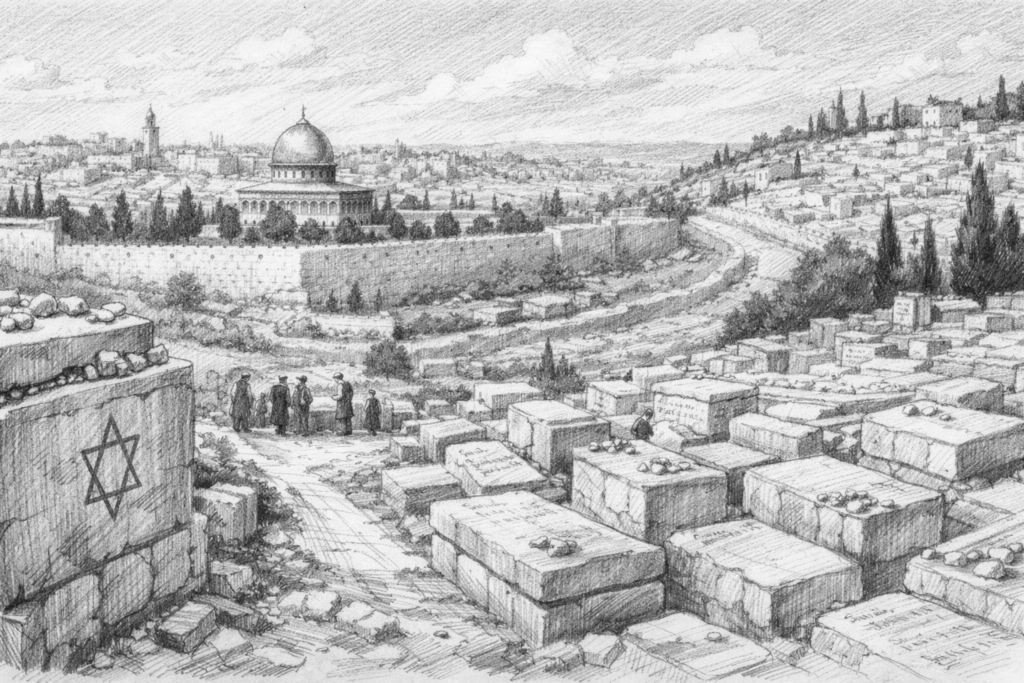
For many Jews, the desire to be buried in Israel is rooted in religious and cultural beliefs, as well as a connection to the historical and spiritual homeland of the Jewish people
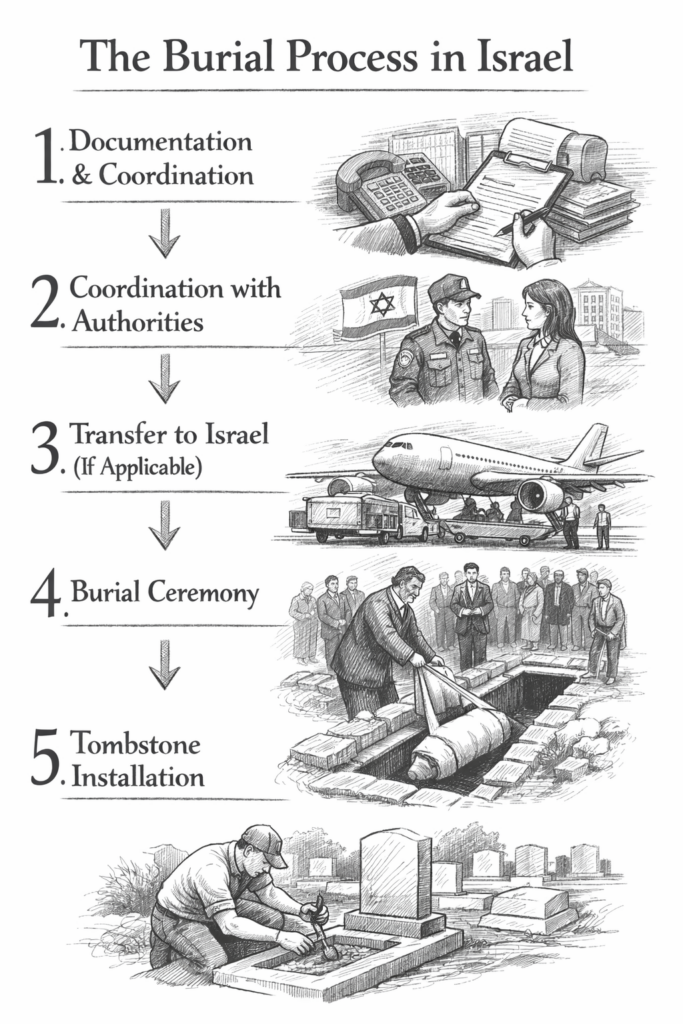
The Burial Process in Israel
Arranging burial in Israel is a structured and dignified process, handled with care and respect.
Step 1: Documentation & Coordination
Necessary documentation is prepared and verified, including death certificates and identification records.
Step 2: Coordination with Authorities
Coordination takes place with local authorities, cemetery management, and religious burial societies (Chevra Kadisha).
Step 3: Transfer to Israel (If Applicable)
If the passing occurred abroad, professional repatriation services arrange airline cargo transfer, consular approvals, and arrival clearance.
Step 4: Burial Ceremony
Jewish burial in Israel follows traditional halachic customs unless otherwise requested. The ceremony may include a chapel service, psalms, eulogies, and family participation.
Step 5: Tombstone Installation
A matzevah (headstone) is installed in accordance with local customs, typically after the shloshim (30-day period).
The Components of a Traditional Jewish Burial in Israel
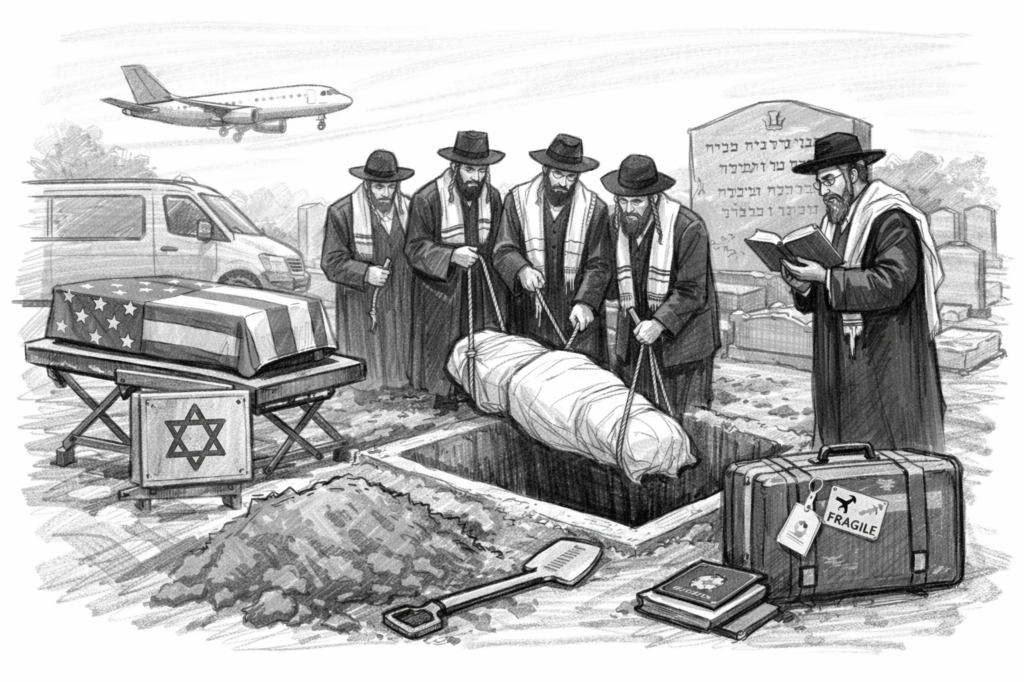
Traditional Jewish burial in Israel follows ancient customs preserved with dignity and reverence. The process is guided by halacha (Jewish law) and carried out with deep respect for the deceased.
1. The Chevra Kadisha (Holy Burial Society)
The Chevra Kadisha is responsible for preparing the deceased according to Jewish law. Their work is performed discreetly and respectfully, ensuring the highest standards of tradition.
2. Tahara (Ritual Purification)
The body undergoes a ritual purification process known as Tahara. This sacred procedure symbolizes spiritual cleansing and honor.
3. Tachrichim (Simple Burial Garments)
The deceased is dressed in plain white shrouds, symbolizing equality and humility before God. In Israel, simplicity is emphasized — rich and poor alike are buried in the same modest garments.
4. Aron (Coffin)
In most cases in Israel, burial is performed in a simple wooden coffin without metal components, allowing natural return to the earth. In some traditional Jerusalem burials, burial may take place without a coffin, in accordance with local custom and rabbinical guidance.
5. The Funeral Service
The funeral ceremony may include:
Psalms (Tehillim)
Eulogies (Hespedim)
The recitation of “Kel Maleh Rachamim”
The Mourner’s Kaddish
The service is typically brief, dignified, and deeply meaningful.
6. Burial and Covering the Grave
Family members often participate by placing earth into the grave, symbolizing love, responsibility, and final respect.
7. Mourning Traditions
After burial, the family observes Shiva (seven days of mourning), followed by Shloshim (30 days), and the annual Yahrzeit remembrance.
These traditions provide emotional structure and spiritual comfort during a time of loss.
Can Foreigners Be Buried in Israel?
Yes. Non-resident Jews from abroad may be buried in Israel.
Pre-Purchasing a Plot
Foreign residents can secure burial plots in designated cemeteries that accept non-residents, ensuring peace of mind and guaranteed availability.
Repatriation After Passing Abroad
If death occurs overseas, the deceased can be transferred to Israel for burial. The process includes:
Coordination with overseas funeral providers
Required documentation preparation
Embassy and consular approvals
Airline cargo arrangements
Arrival clearance in Israel
Transfer to the selected cemetery
With proper management, the process is respectful, efficient, and fully compliant with Israeli regulations.
Types of Burial Available in Israel
Israel offers several burial options, allowing families to choose according to tradition, personal preference, location, and budget considerations. Each option is conducted in accordance with Jewish law and overseen by the relevant cemetery authority.
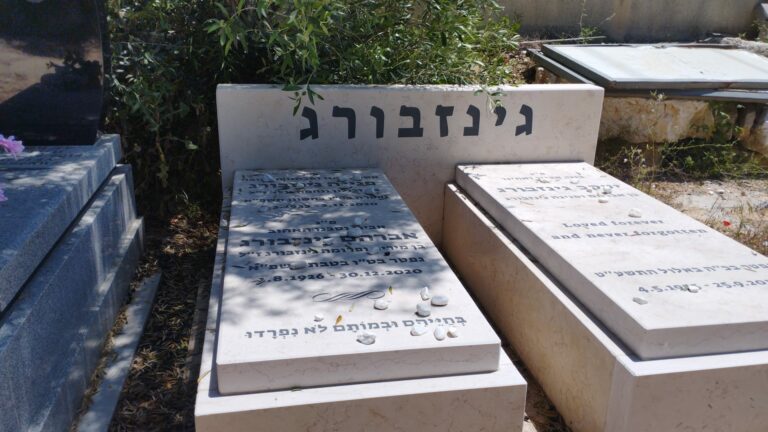
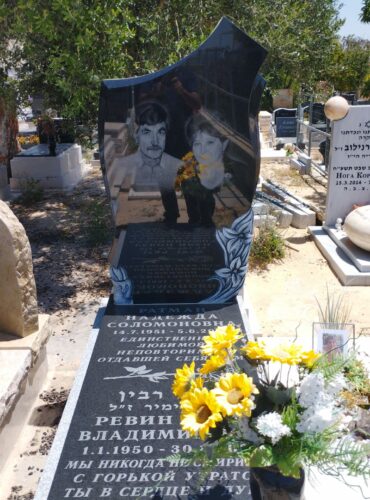
1. Kevurat Sadeh (Ground Burial)
Kevurat Sadeh is the most traditional and widely recognized form of Jewish burial.
The grave is prepared directly in the earth, and the deceased is laid to rest in accordance with halachic custom.
Key characteristics:
Considered the classic and most traditional form of burial
Full return to the earth (“כי עפר אתה ואל עפר תשוב”)
Typically located in open cemetery grounds
Most common in Jerusalem and older cemeteries
This option carries deep symbolic meaning and is often preferred by families seeking the most traditional approach.
2. Kevurat Makhpela (Double Burial)
Kevurat Makhpela allows two individuals — usually spouses — to be buried in the same grave space, one above the other, separated according to halachic guidelines.
Key characteristics:
Enables couples to rest together
Economical use of space
Common in areas where land is limited
Approved and supervised by rabbinical authorities
This option provides both emotional continuity and practical efficiency, particularly in high-demand cemeteries.
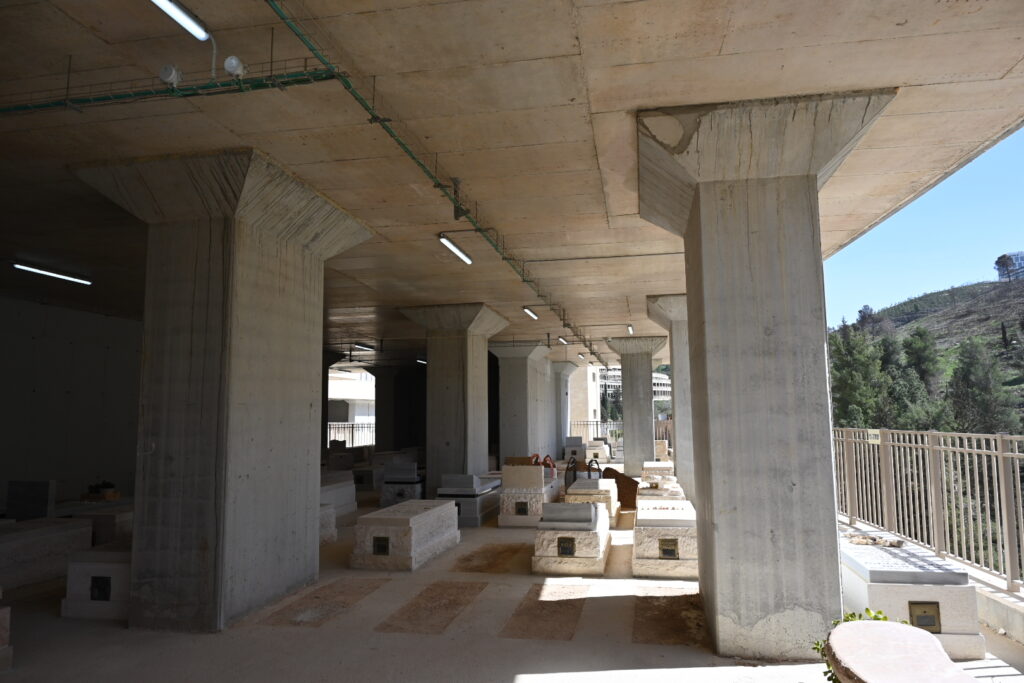
3. Kevura Romit (Multi-Level Burial)
In response to limited land availability, many modern cemeteries in Israel have developed multi-level burial structures.
Key characteristics:
Burial chambers built in structured rows
Maintains full halachic compliance
Allows preservation of open land
Often more cost-effective than ground burial
This solution is widely used in central Israel and reflects the country’s innovative approach to honoring tradition while addressing practical realities.
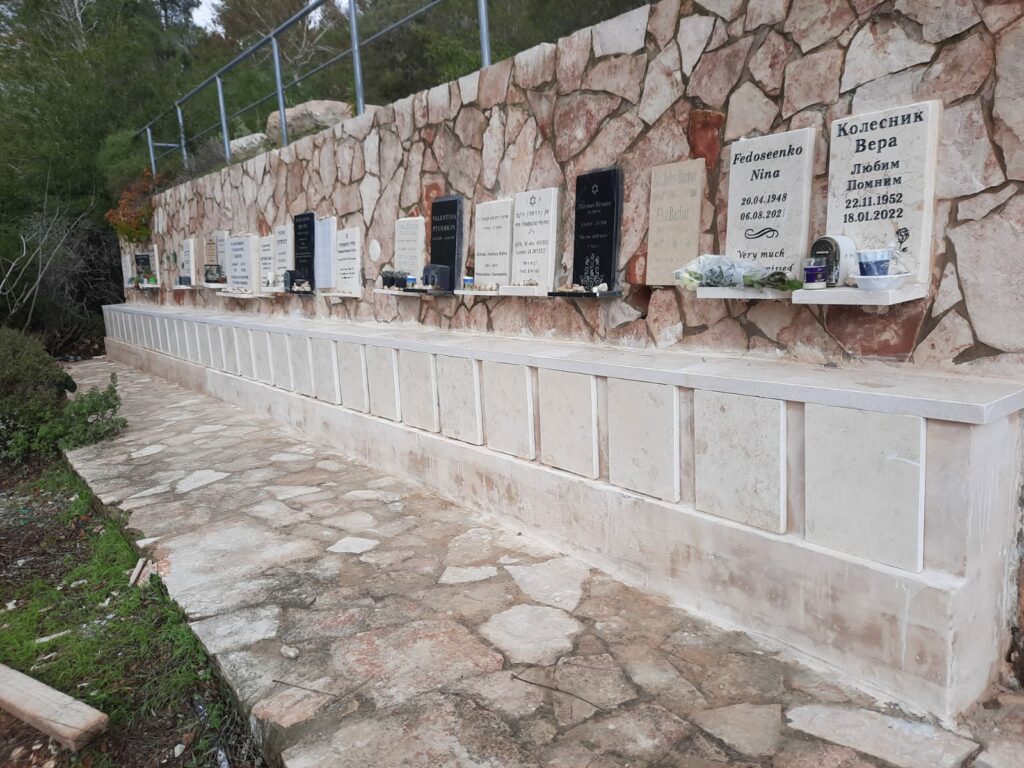
4. Sanhedrin-Style or Niche Burial
Inspired by ancient Jewish burial caves, some cemeteries offer wall niches (loculi-style burial).
Key characteristics:
Burial chambers built into stone walls
Rooted in Second Temple period practices
Space-efficient
Increasingly common in urban areas
This method connects modern burial practices to ancient Jewish heritage.